Tackle The Atlanta Commute! The Ultimate Commuter's Vehicle Guide - Nissan South Morrow
The Ultimate Commuter's Vehicle Guide for Atlanta Drivers in 2025
Quick Answer
Atlanta commuters driving 18,000-25,000 miles annually need vehicles prioritizing fuel efficiency (35+ mpg), reliability, and comfort features for stop-and-go traffic. The difference between 25 mpg and 35 mpg vehicles costs $914 annually in fuel for high-mileage drivers, while CVT transmissions show 25% better reliability in traffic conditions compared to traditional automatics.
Find Your Perfect Commuter
Discover fuel-efficient vehicles designed for Atlanta's demanding commute conditions.
Commute Cost Calculator
Calculate your potential savings with a more efficient commuter vehicle.
The $4,000 Annual Mistake Atlanta Commuters Make
Every morning at 7:30 AM, I watch the same scene unfold on I-75 South near the Clayton County line. Thousands of vehicles crawl toward Atlanta in stop-and-go traffic, burning fuel and wearing down components in conditions their owners never considered when buying. Last year, I helped a South Morrow resident calculate that his vehicle choice was costing him over $4,000 annually compared to a more efficient alternative – money that could have funded his daughter's college savings or family vacations.
This scenario repeats across metro Atlanta daily. Commuters choose vehicles based on weekend needs or emotional appeal, then spend years paying the price in fuel costs, maintenance expenses, and daily frustration. They don't realize that commuting 50+ miles daily in Atlanta traffic creates unique demands that most vehicles aren't optimized to handle efficiently.
After 15 years of helping Clayton County commuters choose vehicles, I've learned that the right commuter vehicle isn't necessarily the most expensive or the most stylish – it's the one that excels in the specific conditions you face daily while minimizing your total cost of ownership. For Atlanta commuters, this means prioritizing fuel efficiency, reliability, comfort, and technology that reduces stress rather than adding to it.
The math is simple: if you're driving 20,000+ miles annually in stop-and-go traffic, your vehicle choice can save or cost you thousands per year. More importantly, the right vehicle makes your daily commute safer, more comfortable, and less stressful – improving your quality of life in ways that extend far beyond transportation.
Understanding Atlanta Commuter Reality

Atlanta commuting creates unique challenges that most vehicle buyers don't fully consider. Understanding these realities helps you choose vehicles optimized for your actual driving conditions rather than idealized scenarios.
Mileage Reality Check
South Morrow to downtown Atlanta: 25 miles each way = 50 miles daily = 13,000+ miles annually just for work commuting. Add weekend driving and you're easily reaching 18,000-25,000 miles annually.
Traffic Pattern Impact
Stop-and-go conditions dominate 60% of rush hour commute time, with average speeds often below 25 mph on major highways. This pattern is particularly hard on vehicles.
Real-World Fuel Economy
Stop-and-go conditions can reduce fuel economy by 40% compared to steady highway driving. A vehicle rated at 35 mpg highway might achieve only 21 mpg in heavy Atlanta traffic.
Component Wear Acceleration
High-mileage stop-and-go driving accelerates wear: transmissions experience 50% more stress, brake systems wear 40% faster, cooling systems work overtime.
35% More Component Wear
Atlanta commuters driving 20,000+ miles annually experience compared to average drivers
Fuel Efficiency: Beyond EPA Ratings
For high-mileage commuters, fuel efficiency directly impacts your annual budget. Understanding real-world efficiency helps you make choices that save thousands over your ownership period.
Real-World Fuel Cost Analysis
For a South Morrow commuter driving 20,000 miles annually at current Georgia gas prices:
25 mpg vehicle
800 gallons = $3,200
30 mpg vehicle
667 gallons = $2,668
35 mpg vehicle
571 gallons = $2,286
The difference between 25 mpg and 35 mpg vehicles costs $914 annually – over $4,500 during a typical 5-year ownership period.
CVT Transmission Advantages
Continuously Variable Transmissions (CVT) like Nissan's Xtronic system maintain optimal engine RPM regardless of vehicle speed, improving efficiency in variable traffic conditions. Unlike traditional automatics that hunt for gears in traffic, CVTs provide smooth, efficient power delivery that reduces fuel consumption and component wear.
Reliability: Critical for High-Mileage Driving
Vehicle reliability becomes crucial when you're driving 20,000+ miles annually in demanding conditions. Breakdowns aren't just inconvenient – they're dangerous and expensive when they occur on busy Atlanta highways.
Transmission Reliability
CVT transmissions show 25% better reliability in stop-and-go conditions because they don't have the internal friction and complexity of conventional automatics.
Cooling System Demands
Atlanta traffic forces engines to run hotter than highway driving. Vehicles with robust cooling systems handle these conditions better.
Brake System Durability
Stop-and-go traffic can wear brake pads 40% faster than highway driving. Look for vehicles with regenerative braking systems.
Maintenance Accessibility
High-mileage drivers need convenient, affordable maintenance. Consider widespread dealer networks and reasonable parts costs.
25% Better Reliability
CVT transmissions show in stop-and-go traffic conditions compared to traditional automatics
Comfort and Ergonomics for Daily Driving

When you spend 2+ hours daily in your vehicle, comfort features transition from luxury to necessity. Poor ergonomics can cause physical problems, while good design reduces fatigue and improves safety.
Seating Essentials
Quality seats with proper lumbar support, height adjustment, and cushioning prevent back problems common among long-distance commuters.
Climate Control Efficiency
Georgia's climate demands effective air conditioning that can quickly cool the cabin and maintain consistent temperatures.
Noise, Vibration, and Harshness (NVH)
Road noise, engine vibration, and wind noise cause fatigue during long commutes. Quality insulation creates quieter cabins.
Technology Integration
Useful technology reduces stress rather than adding complexity. Navigation with traffic updates and voice recognition are valuable.
Vehicle Categories for Atlanta Commuters
Different vehicle types offer distinct advantages and disadvantages for high-mileage commuting. Understanding these trade-offs helps you choose based on your specific commuting needs and priorities.
Compact Sedans: Maximum Efficiency
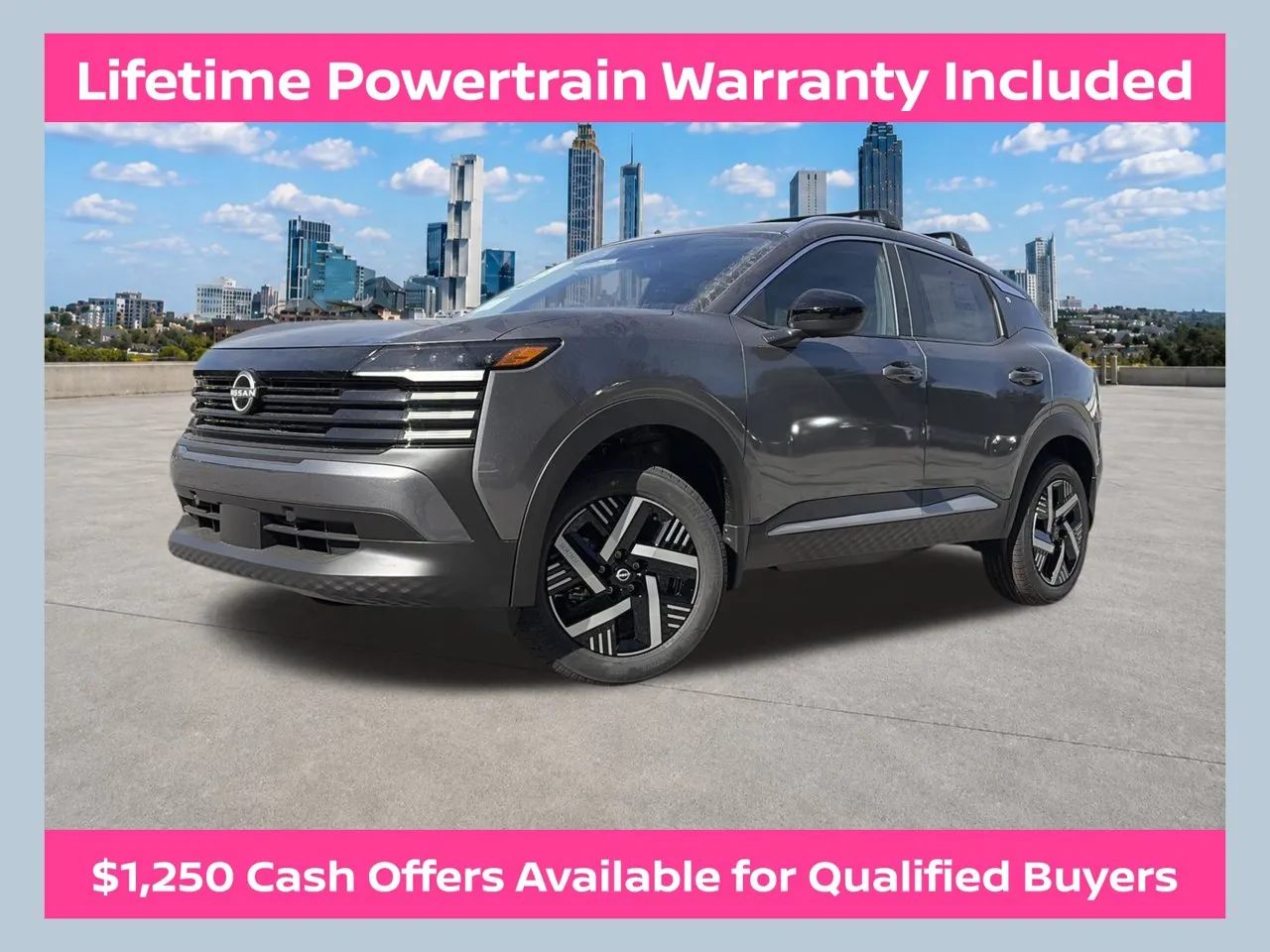
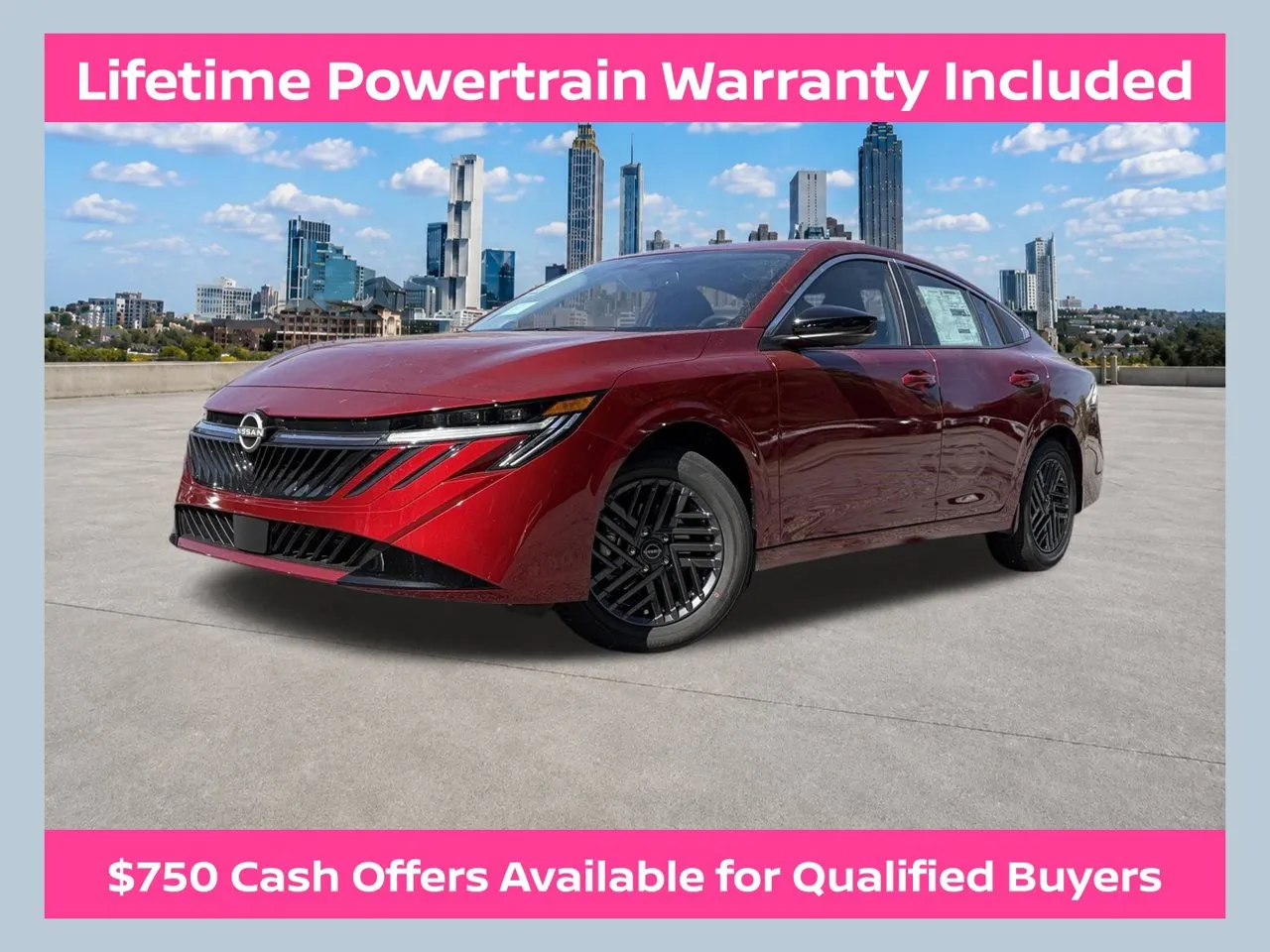
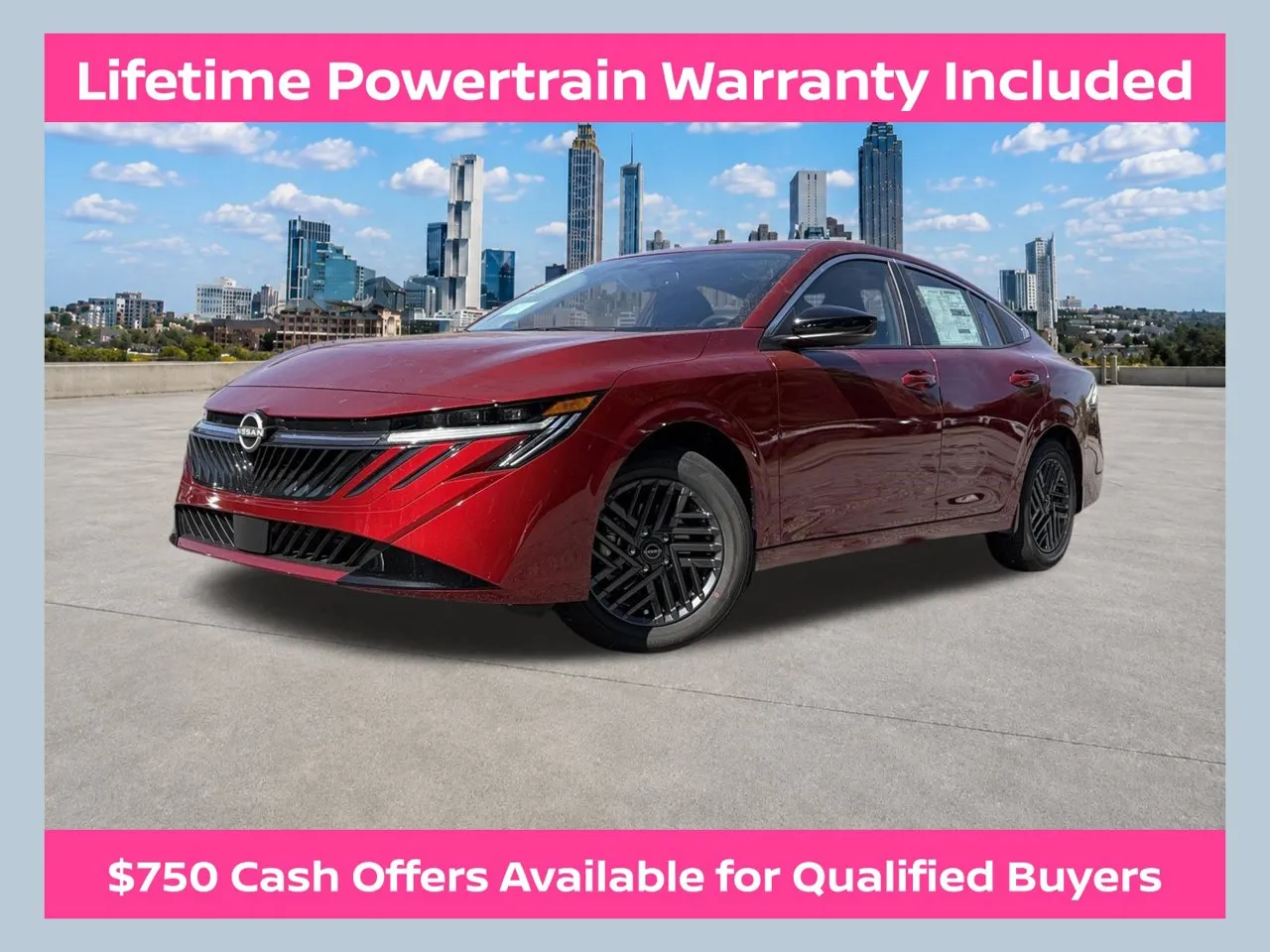
Compact sedans like the Nissan Sentra excel in fuel efficiency, often achieving 35+ mpg in real-world driving. Lower purchase prices, insurance costs, and maintenance expenses make them economical choices for budget-conscious commuters.
Best for:
Cost-conscious commuters prioritizing fuel efficiency
Consider if:
You regularly transport large items or multiple passengers
Midsize Sedans: Balanced Performance
Midsize sedans offer improved comfort, quieter cabins, and more features while maintaining good fuel efficiency. They provide better highway stability and more spacious interiors than compact cars.
Best for:
Commuters wanting comfort improvements without sacrificing efficiency
Consider if:
Maximum fuel economy is your primary concern
Compact SUVs: Versatility with Efficiency
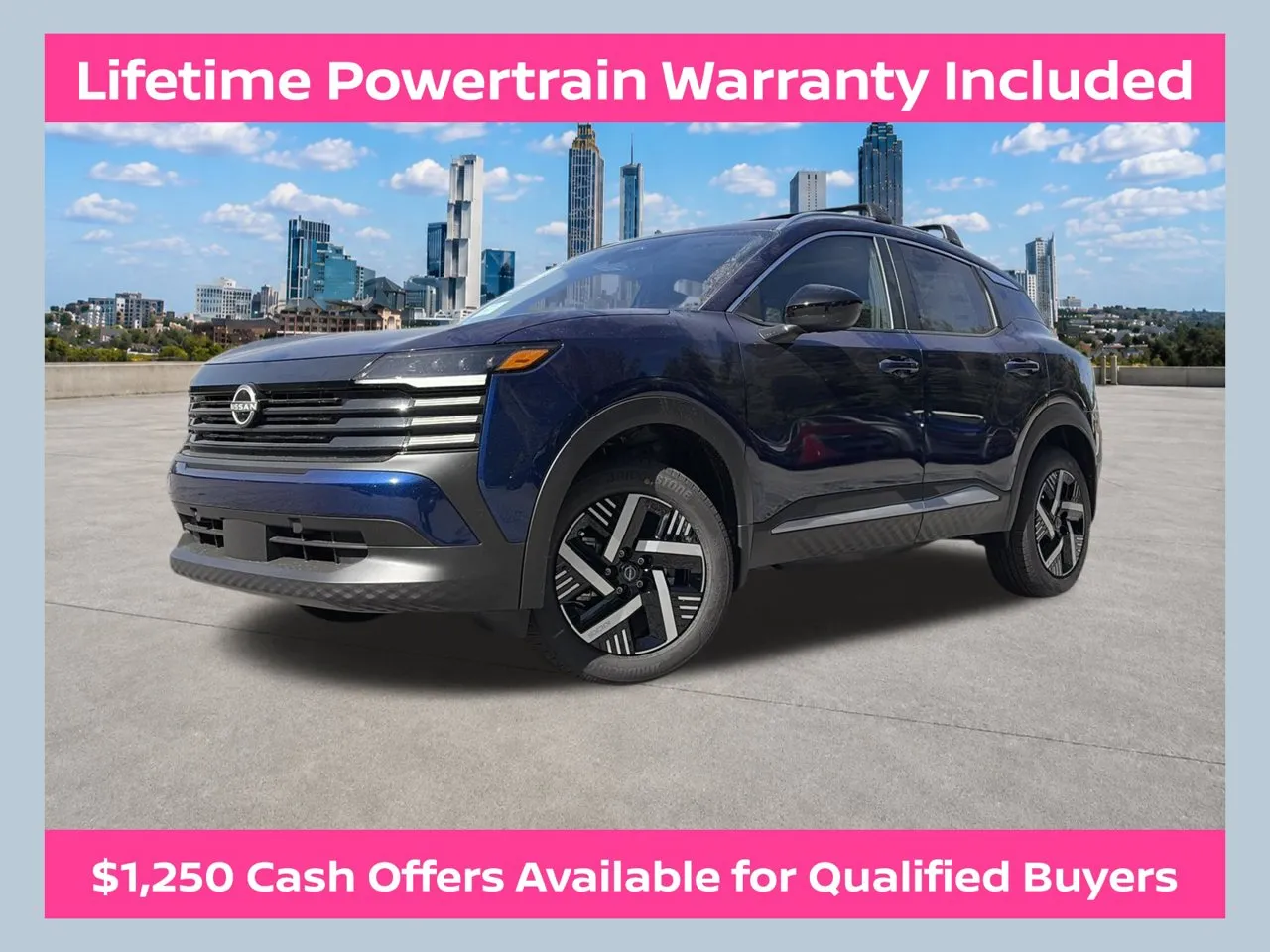
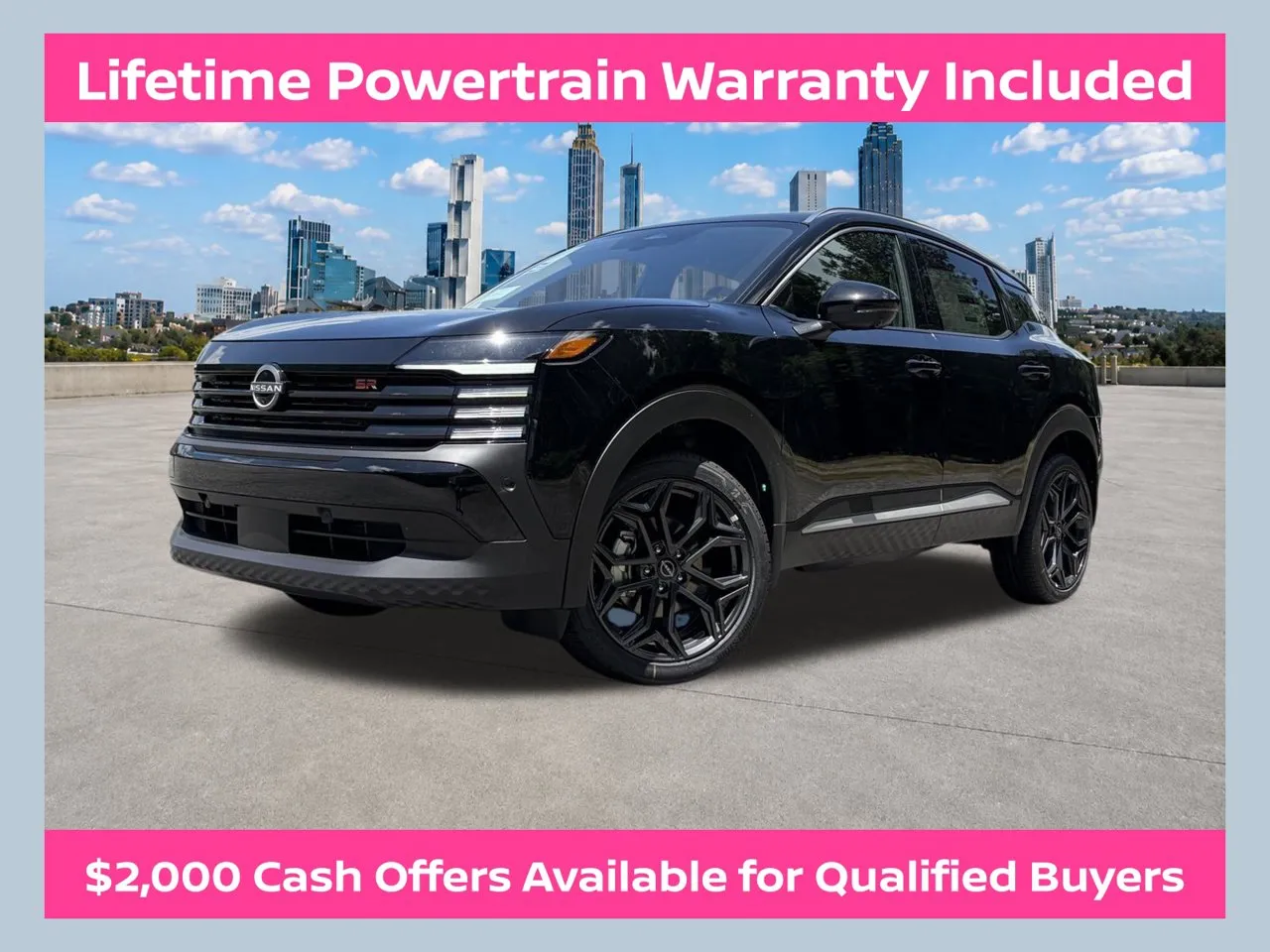
Modern compact SUVs like the Nissan Rogue achieve 30+ mpg while offering higher seating positions, better visibility, and more cargo space than sedans.
Best for:
Commuters needing versatility for weekend activities
Consider if:
Maximum fuel efficiency is more important than cargo space
Hybrid Vehicles: Traffic Optimization
Hybrid systems excel in stop-and-go traffic where conventional engines are least efficient. Real-world fuel economy often exceeds EPA ratings in city driving.
Best for:
Commuters spending significant time in heavy traffic
Consider if:
Most of your commute involves steady highway speeds
Total Cost of Ownership for Commuters
High-mileage driving affects every aspect of vehicle ownership costs. Understanding these impacts helps you make decisions based on total financial impact rather than just purchase price or monthly payments.
Complete Cost Breakdown
Annual Costs
- Fuel: $2,286-$3,636
- Maintenance: $800-1,200
- Insurance: $1,200-1,800
- Registration/Taxes: $400-600
5-Year Impact
- Fuel difference: $6,750
- Maintenance: $4,000-6,000
- Depreciation: Higher for high-mileage
- Total savings potential: $10,000+
Maintenance Strategy for High-Mileage Commuters
Aggressive Maintenance Schedule Required
High-mileage driving requires more frequent service than manufacturer recommendations based on average use. Preventive maintenance prevents expensive failures and ensures reliability for daily commuting.
Oil Change Strategy
Change oil every 3,000-5,000 miles regardless of manufacturer recommendations. Use high-quality synthetic oil designed for severe service conditions.
Transmission Service
Service automatic transmissions every 30,000-40,000 miles instead of manufacturer recommendations of 60,000+ miles.
Cooling System Maintenance
Flush cooling systems every 30,000 miles and inspect hoses, belts, and radiator condition regularly.
Brake System Care
Inspect brake pads every 10,000 miles and replace when they reach 3mm thickness.
Safety Considerations for Daily Commuters
Daily commuting increases accident exposure, making safety features and defensive driving capabilities more important than for occasional drivers.
Essential Safety Features
- Automatic Emergency Braking: Provides additional safety margins during fatigue-inducing commutes
- Blind Spot Monitoring: Valuable during lane changes in heavy traffic
- Lane Keeping Assist: Helps maintain position during dawn and dusk driving
- Good Headlights: Improve visibility during early morning and evening commutes
Find Your Perfect Commuter Vehicle
Let our experts help you choose the ideal vehicle for your Atlanta commuting needs.
FAQ: Common Questions About Commuter Vehicle Selection
How many miles per year makes me a high-mileage driver?
Drivers exceeding 15,000 miles annually are considered high-mileage. Atlanta commuters often drive 18,000-25,000 miles yearly due to long commute distances and traffic conditions. This significantly affects vehicle choice, maintenance needs, and total ownership costs.
Should I buy new or used for high-mileage commuting?
Both options have merit. New vehicles offer latest efficiency technology, full warranty coverage, and known maintenance history. Used vehicles provide better value but may lack modern efficiency features. For high-mileage drivers, reliability and fuel efficiency often justify new vehicle purchases.
Is all-wheel drive worth it for Atlanta commuting?
Generally no. Georgia's climate rarely requires all-wheel drive capability, and it reduces fuel efficiency by 1-3 mpg. Good traction control and quality all-season tires handle occasional wet weather adequately while maintaining better fuel economy.
How important is fuel efficiency compared to other factors?
Very important for high-mileage drivers. The difference between 25 mpg and 35 mpg costs $914 annually for drivers covering 20,000 miles. Over five years, this represents $4,570 in fuel savings – often exceeding the price difference between efficient and inefficient vehicles.
Should I consider hybrid vehicles for Atlanta commuting?
Yes, especially if your commute involves significant stop-and-go traffic. Hybrid systems excel in traffic conditions where conventional engines are least efficient. Real-world fuel economy often exceeds EPA ratings in city driving, providing substantial savings for high-mileage commuters.
What maintenance schedule should high-mileage commuters follow?
More aggressive than manufacturer recommendations. Change oil every 3,000-5,000 miles, service transmissions every 30,000-40,000 miles, and inspect brakes every 10,000 miles. High-mileage stop-and-go driving accelerates wear on all components.
How do I evaluate real-world fuel economy vs. EPA ratings?
EPA ratings assume ideal conditions rarely found in Atlanta traffic. Expect 15-25% lower efficiency in stop-and-go conditions. Test drive during your actual commute times and research real-world fuel economy reports from other owners.
What safety features are most important for daily commuters?
Automatic emergency braking, blind spot monitoring, and lane keeping assist provide valuable safety margins during fatigue-inducing commutes. Good headlights and visibility are crucial for dawn and dusk driving common among commuters.
Should I finance or lease a commuter vehicle?
Generally finance. High-mileage drivers typically exceed lease mileage allowances (12,000-15,000 annually), facing excess charges of $0.25 per mile. For 20,000 annual miles, this adds $1,250-2,000 yearly to lease costs.
How does high-mileage driving affect resale value?
High-mileage vehicles depreciate faster, but reliable, fuel-efficient models retain value better. Proper maintenance records and choosing vehicles with strong high-mileage reputations help preserve resale value.
What's the ideal vehicle size for commuting?
Balance efficiency with comfort needs. Compact sedans offer maximum efficiency, while compact SUVs provide versatility with good efficiency. Avoid oversized vehicles unless you regularly need the extra space – larger vehicles cost significantly more to operate.
How important is warranty coverage for high-mileage drivers?
Very important. High-mileage drivers reach warranty limits faster and experience more wear-related issues. Comprehensive powertrain warranties provide valuable protection, and extended warranties may offer good value for high-mileage use.
Should I buy from a dealer or private party for a commuter vehicle?
Dealers often provide better value for commuter vehicles due to warranty coverage, financing options, and trade-in convenience. The reliability and support benefits typically outweigh potential savings from private purchases.
What technology features are worth paying for?
Navigation with real-time traffic updates, hands-free communication, and smartphone integration provide genuine value for commuters. Avoid overly complex systems that require extensive interaction while driving.
How do I prepare for breakdowns during commuting?
Carry emergency supplies including water, basic tools, jumper cables, and emergency contact information. Maintain roadside assistance coverage and keep your phone charged. Regular maintenance prevents most roadside emergencies.
What's the best time to replace a commuter vehicle?
Before major repairs become frequent, typically around 100,000-150,000 miles for most vehicles. High-mileage drivers may need replacement sooner due to accelerated wear. Plan replacement timing to avoid being underwater on financing.
Should I consider electric vehicles for Atlanta commuting?
Evaluate based on your specific route and charging access. Electric vehicles eliminate fuel costs and provide instant torque for traffic acceleration. However, ensure the vehicle's range exceeds your daily needs with margin for unexpected detours.
How do I reduce commuting stress beyond vehicle choice?
Leave early to avoid rushing, use traffic apps to find optimal routes, maintain comfortable cabin temperature, and consider carpooling or alternative work schedules when possible. The right vehicle helps, but driving habits and planning matter too.
What insurance considerations apply to high-mileage commuters?
Higher mileage increases accident exposure, potentially affecting rates. However, safety features and good driving records help control costs. Some insurers offer discounts for vehicles with advanced safety technology.
How do I evaluate total cost of ownership?
Include purchase price, financing costs, fuel, insurance, maintenance, and depreciation. For high-mileage drivers, fuel and maintenance costs often exceed monthly payments. Calculate costs over your expected ownership period for accurate comparison.
TL;DR: Your Atlanta Commuter Vehicle Guide
Atlanta commuters driving 18,000-25,000 miles annually need vehicles prioritizing fuel efficiency (35+ mpg), reliability, and comfort. The difference between 25 mpg and 35 mpg costs $914 annually in fuel – $4,570 over five years. Choose vehicles with CVT transmissions for better traffic reliability, comprehensive warranties for high-mileage protection, and comfort features for 2+ hours daily driving. Maintain aggressive service schedules with oil changes every 3,000-5,000 miles and transmission service every 30,000-40,000 miles. Focus on total cost of ownership rather than just purchase price or monthly payments.
About the Author

Sebastian Smith
Automotive Expert & Trusted Industry Advisor
Sebastian Smith has spent over a decade immersed in automotive retail, building deep expertise in vehicle sales, finance, service, and product insights. Growing up around the family dealership instilled in him a passion for cars and a commitment to transparency. Sebastian leverages his lifelong industry experience to empower readers, ensuring they have clear, honest information to confidently navigate every automotive decision.
Tackle The Atlanta Commute! The Ultimate Commuter's Vehicle Guide - Nissan South Morrow