First-Time Nissan Buyer Guide: Financing Options at Nissan South Morrow
How to Start Your First Nissan Purchase
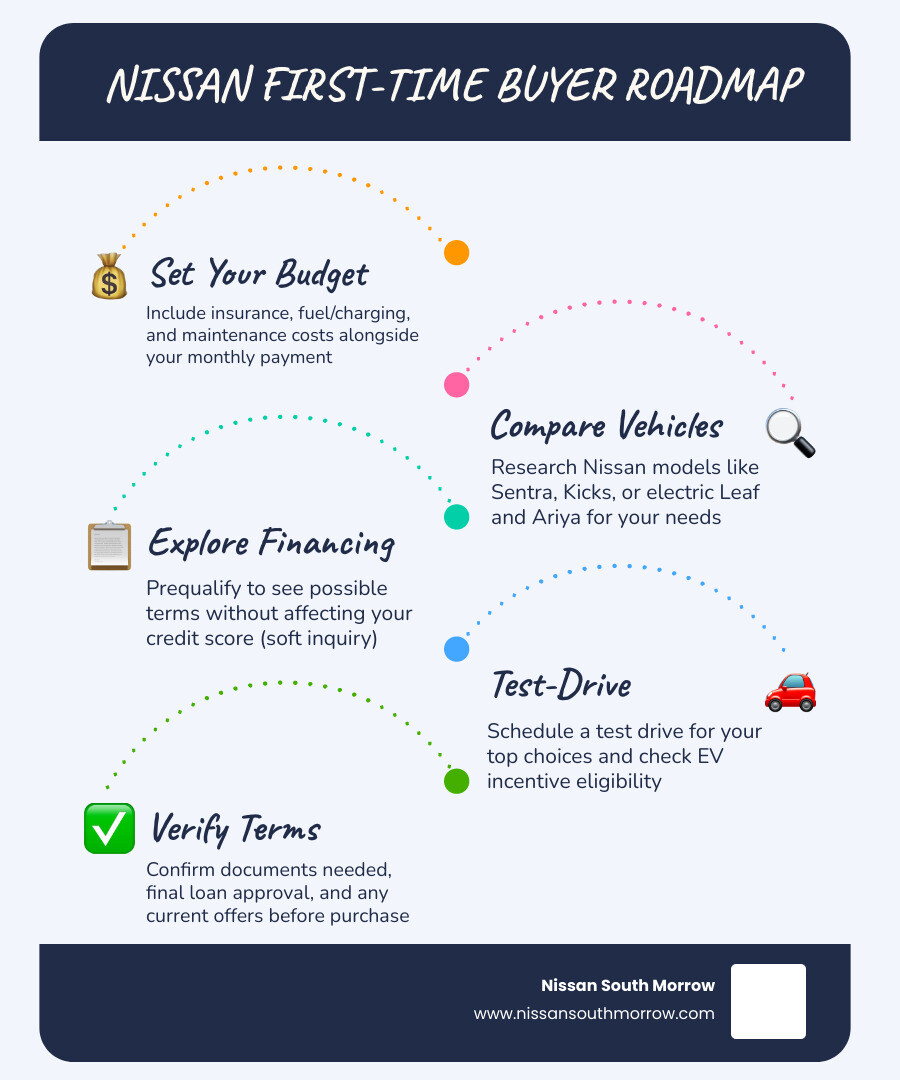
Start with a budget, then compare vehicles and financing options. If you're searching for a Nissan first time buyer program, don't assume one offer applies to every buyer. Nissan South Morrow can help you explore available financing options across a range of credit situations and check whether any current offers fit your purchase. Prequalification can help you explore possible terms, but it is not final loan approval.
Before you shop, include insurance, fuel or charging, and maintenance in your budget. Then choose a few Nissans to test-drive and ask what documents a lender may need. If you're considering an EV, check incentive eligibility before counting on any savings.
I'm Vaughn Smith, marketing director for Smith Automotive Group, where my work connects Nissan dealership teams with shoppers seeking clear buying guidance. That experience shapes this guide to the Nissan first time buyer program search: what to ask, what to compare, and how to move forward with confidence.
Exploring First-Time Buyer Financing Options
Navigating automotive financing for the very first time can feel overwhelming, but breaking the process down into clear fundamentals makes it completely manageable. When lenders evaluate an auto loan request, they look at several factors beyond a simple score, including your debt-to-income ratio, your employment stability, and the overall loan-to-value ratio of the vehicle you choose.

For drivers in Morrow, Jonesboro, and surrounding communities who are building independent credit, financing a dependable daily commuter can offer an opportunity to establish a positive payment history over time when consistent, on-time payments are maintained. Our team focuses on transparent communication so you understand exactly how interest rates, down payments, and loan lengths interact over the life of your contract.
Financing Pathways for First-Time Buyers
First-time vehicle shoppers come to us with a wide variety of financial backgrounds. Some drivers have a thin credit file with no prior borrowing history, while others have established credit through student loans or credit cards. Lenders offer various structures depending on these individual circumstances.
A healthy down payment is often one of the most effective tools for a first-time buyer. Putting money down reduces the total amount borrowed, which may help lower monthly payments depending on your specific loan terms, and helps protect against vehicle depreciation.
When you are ready to begin, you can get pre-qualified with Capital One to see potential financing terms using a soft credit pull that does not impact your credit score and requires no Social Security number. When you decide on a specific vehicle and want to submit an official application across our network of lenders, you can complete our secure finance application, which involves a hard credit check by prospective financial institutions.
Understanding Prequalification Versus Final Approval
It is vital to distinguish between prequalification and final loan approval before you head to the showroom:
- Prequalification: An initial estimate of borrowing terms based on self-reported information and an unrecorded soft credit inquiry. It gives you a realistic price range to shop within without affecting your credit rating.
- Final Loan Approval: A formal underwriting decision issued after a lender reviews your verified income, residence documents, vehicle identification number (VIN), and a formal hard credit inquiry.
Final loan terms, including the annual percentage rate (APR) and required down payment, are determined solely by lender underwriting at the time of purchase.
Electric Vehicle Incentives and Potential Savings
Zero-emission transportation continues to expand across south Atlanta, providing drivers with quiet performance and freedom from fluctuating gas prices. However, understanding how incentives apply to your purchase requires careful verification.

Incentive Eligibility and Combining Assistance
Government and utility clean-vehicle incentives vary widely by jurisdiction, tax liability, household income, and vehicle manufacturing specifications. Potential incentives may include federal tax credits, regional clean air grants, or local electric utility charger rebates.
Buyers should never assume point-of-sale discounts apply automatically to every transaction. Stacking multiple assistance programs depends entirely on the administrative rules of each specific program. Always verify active guidelines with official program administrators and tax professionals prior to signing purchase documents.
Qualifying Zero-Emission Models and Program Limits
Incentive programs frequently establish strict price caps and eligibility requirements based on vehicle category and certification level:
| Category | Typical Program Standards | Eligible Nissan Considerations |
|---|---|---|
| New Zero-Emission Vehicles | Specific MSRP limits, assembly location standards, battery component sourcing rules | 2026 Nissan Leaf, Nissan Ariya |
| Certified Pre-Owned EVs | Purchase price caps, minimum model age requirements (often 2+ years old), strict OEM certification | Certified Inventory including EV Certified models |
| Standard Used EVs | General market price limits; program qualifications vary widely | Non-certified pre-owned electric models |
Always confirm whether a specific vehicle trim falls under active regional price thresholds before calculating your final budget.
Vehicle Selection and Financial Preparation for New Drivers
Selecting the right vehicle involves balancing daily commuting demands with predictable long-term operating costs.
Eligibility Standards for Financing and Applicable EV Incentives
Lenders generally require first-time buyers to demonstrate verifiable income, a consistent residential history, and full-coverage insurance. For specialized state or regional environmental programs where applicable, applicants may also need to prove geographic residency or verify that they have not previously received a zero-emission incentive for another vehicle.
Budgeting for Ownership, Trade-Ins, and Operating Costs
A practical budget looks well beyond the monthly loan payment. Total cost of ownership includes:
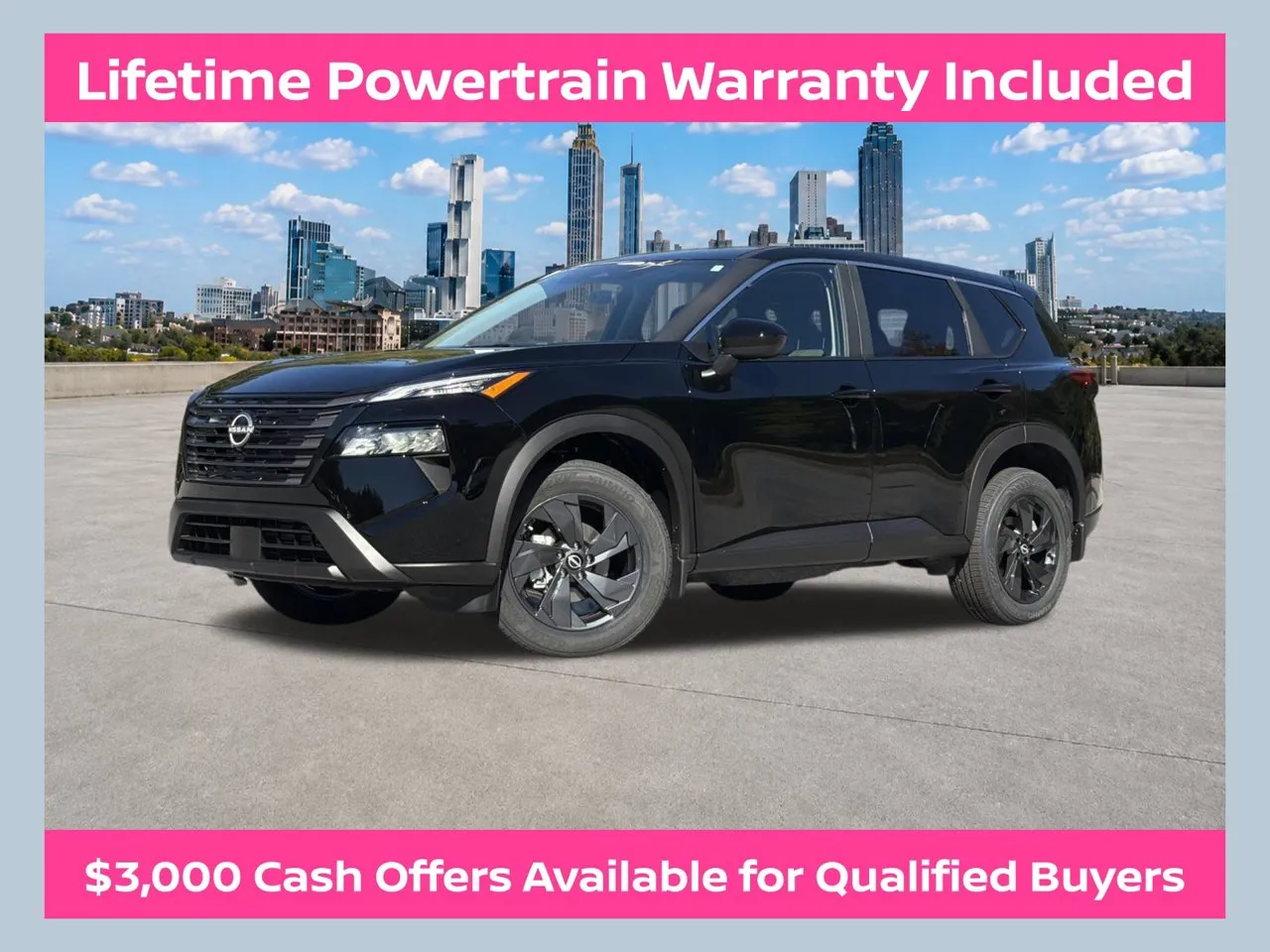
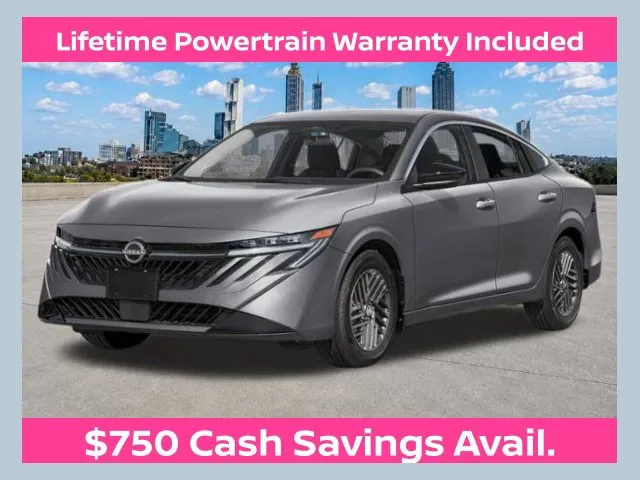
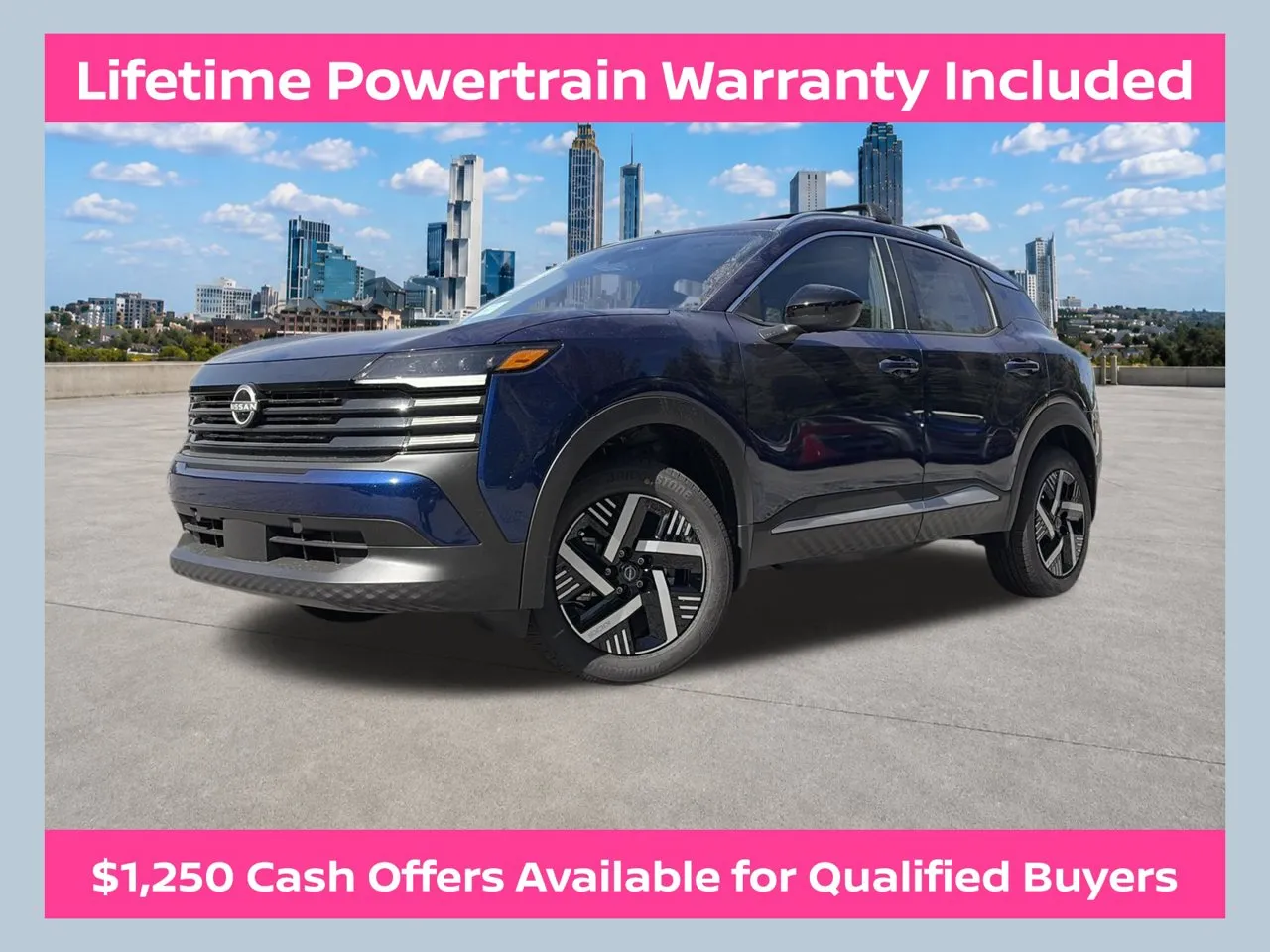
- Fuel and Energy: Highly efficient sedans like the Nissan Sentra or versatile compact crossovers like the Nissan Kicks offer excellent fuel economy for highway commuting along I-75 and local driving.
- Insurance Premiums: First-time owners should request quotes from insurance carriers before finalizing a vehicle choice, as rates vary by body style, safety equipment, and driver history.
- Routine Maintenance: Scheduled oil changes, tire rotations, brake inspections, and fluid services ensure transportation continuity.
- Trade Equity: If you currently have an older car, you can value your trade online to apply its fair market value toward your down payment.
- Financing Structure: Use an online payment calculator to test various loan lengths. That stretching a loan across a longer term lowers your monthly payment but increases the total interest paid over time.
Step-by-Step Guide to Purchasing Your First Nissan
Taking an organized approach ensures a smooth dealership visit:
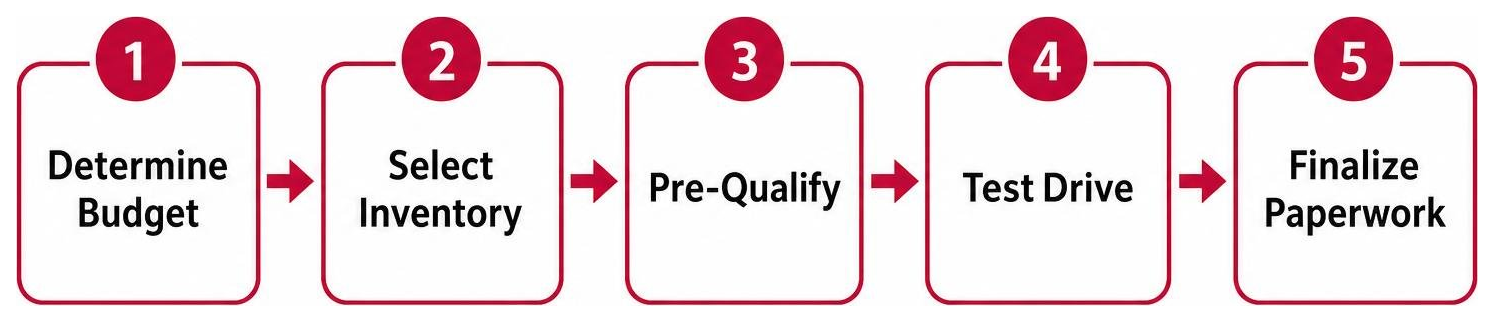
- Determine Your Spending Boundary: Calculate your total monthly transportation budget, keeping vehicle payments, insurance, fuel, and upkeep under a sustainable portion of your take-home pay.
- Explore Eligible Inventory: Browse new Nissan models online to compare passenger room, safety tech, and standard features.
- Check Financing Options: Start with a soft credit pull to gauge realistic terms.
- Take a Purposeful Test Drive: When you schedule a test drive, test the car on both local roads and highway ramps to evaluate visibility, braking feel, and seat comfort.
- Review the Final Paperwork: Carefully verify the purchase agreement, warranty coverages, and loan terms before taking delivery.
Disclaimer: This guide is provided for educational and informational purposes only. Vehicle maintenance and technical repairs should always be completed by a certified Nissan technician. Please consult our service department and your vehicle owner's manual before conducting any maintenance or repairs.
Conclusion
Stepping into your first vehicle purchase should be an empowering milestone, not a stressful guessing game. By establishing a realistic budget, understanding the difference between financing prequalification and final underwriting, and comparing practical models, you position yourself for years of dependable transportation.
At Nissan South Morrow, our team is committed to providing straightforward guidance to shoppers across Clayton County and south Atlanta. When you are ready to take the next step, explore our new car dealership options near McDonough, GA and discover a vehicle that fits your daily life and budget.
Frequently Asked Questions About First-Time Nissan Buying
Are There Current Incentives for First-Time EV Buyers in Georgia?
Incentive programs, tax credits, and utility rebates change periodically based on state funding, federal tax laws, and regional utility initiatives. We recommend checking current official government and utility portals prior to purchase to confirm active qualification standards.
Which Nissan Electric Vehicles May Qualify for Clean Vehicle Incentives?
Depending on active program terms and price limits, new models such as the Nissan LEAF and Nissan ARIYA, as well as select Certified Pre-Owned electric vehicles, may qualify for specific incentives. Always verify exact trim levels and price caps with official program guidelines.
How Does Financing Prequalification Differ from Final Loan Approval?
Prequalification provides an estimated financing rate based on an initial soft credit pull that does not affect your credit score. Final loan approval requires formal submission of verified personal documentation and a hard credit check reviewed by lending underwriters.
Can Clean Vehicle Incentives Be Combined with Other Assistance?
Whether clean vehicle incentives can be stacked depends entirely on the rules established by each individual program administrator. Certain federal, state, and utility programs allow combination, while others prohibit dual participation.
What Documents Should a First-Time Buyer Bring to the Dealership?
First-time buyers should bring a valid government-issued driver's license, proof of current auto insurance, recent pay stubs or proof of income, and proof of residence (such as a recent utility bill). If you are trading in a vehicle, bring the title or current loan payoff information.